Pink Peppercorn Honey from Mauritius: Ruchers de l'Est's April Treasure
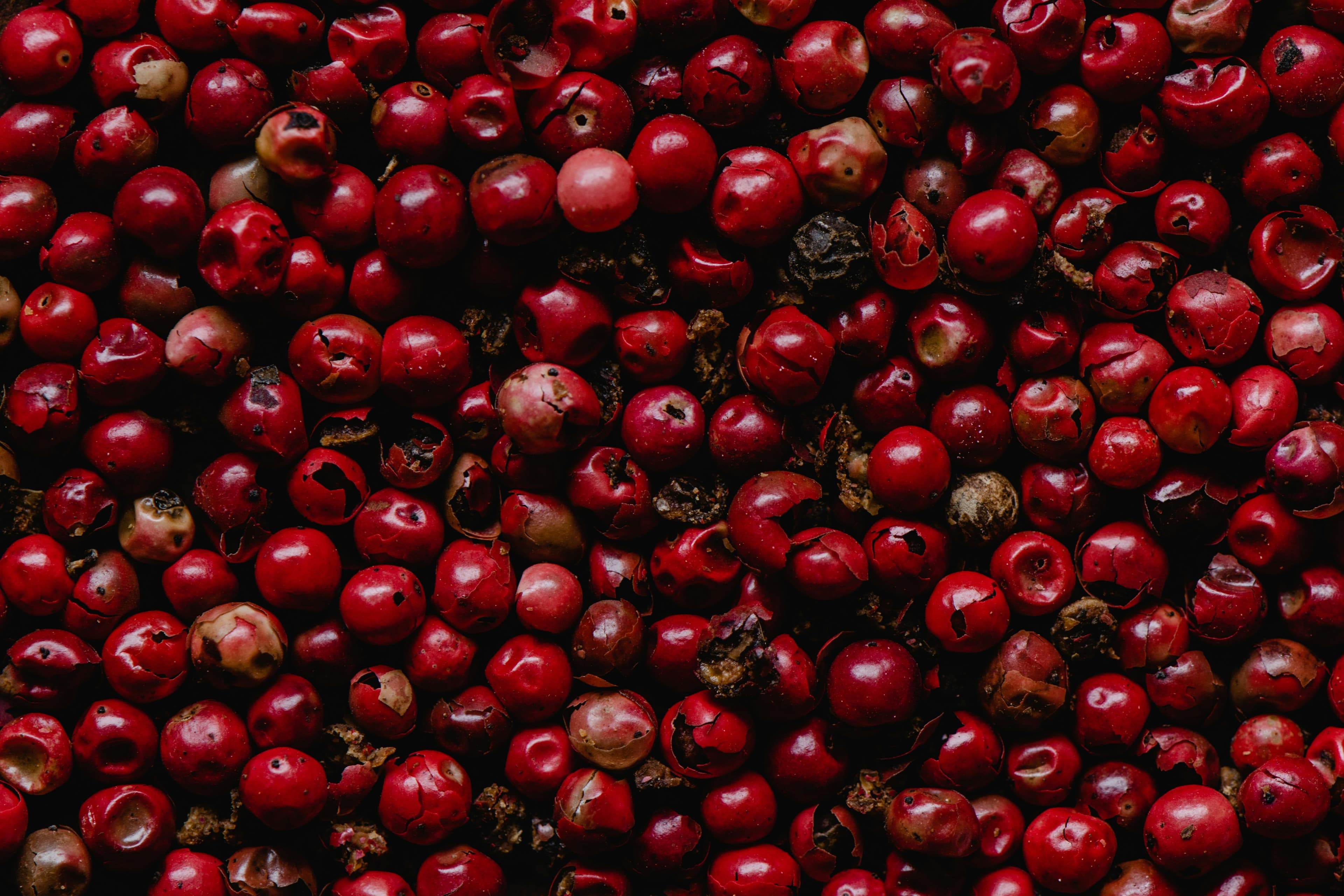
Every April, something unusual happens in the hives of Ruchers de l'Est in Flacq. The bees return laden with a nectar of peppery, floral fragrance, gathered from the small cream-white flowers of the false pepper tree — the tree that Mauritians know as poivre noir or poivre sauvage, and that the rest of the world calls pink peppercorn, Bourbon pepper, or Brazilian pepper.
The result is pink peppercorn honey — one of the most anticipated harvests of the year, rare, delicately perfumed, and available in very limited quantities.
1. The pink peppercorn: anything but a simple pepper
Originally from Brazil, the pink peppercorn tree was introduced to the Indian Ocean islands at the start of the 19th century. In Mauritius, it now grows wild across the island, lining paths and forests. Its flowers are exceptionally rich in nectar — and that's where everything begins.
2. An April harvest: short and precious
The pink peppercorn tree blooms in Mauritius between March and April. It's a short window — five to six weeks — during which the trees are covered in small cream-white flowers in hanging clusters. The bees forage them with unusual intensity, transforming this spiced, resinous nectar into a honey with a unique personality.
In the east of the island, pink peppercorn trees grow naturally around our hives, in a preserved tropical landscape. It's this environment — the heat, the humidity, the wild flora — that gives our honey its distinctive character.
3. The taste: spiced, floral, unexpected
Pink peppercorn honey is unlike any other:
On the nose: a floral, slightly resinous fragrance — the scent of the pink peppercorn flower
On the palate: sweetness first, then a subtle spiced warmth, almost peppery
On the finish: fruity, anise-like notes that linger long after
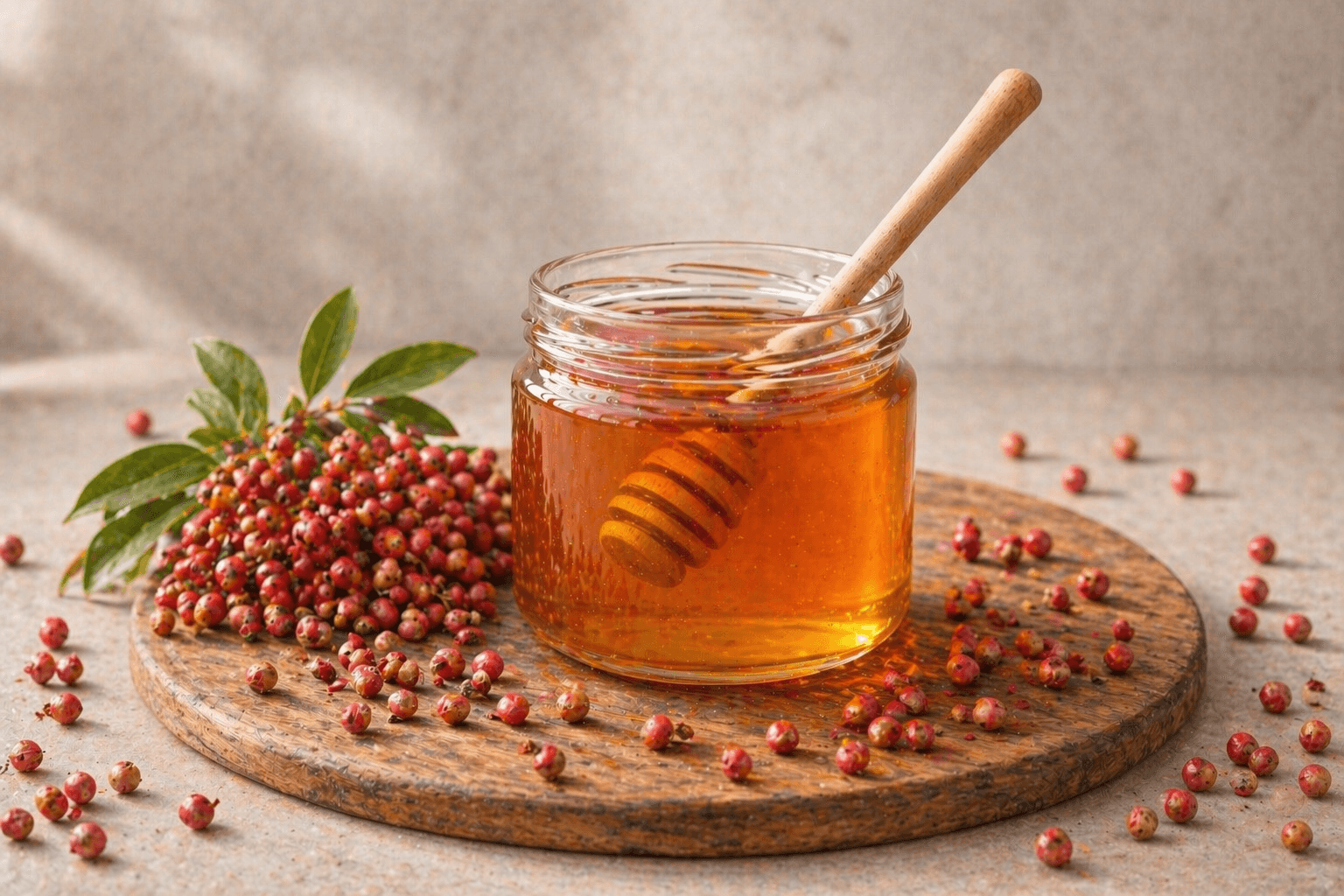
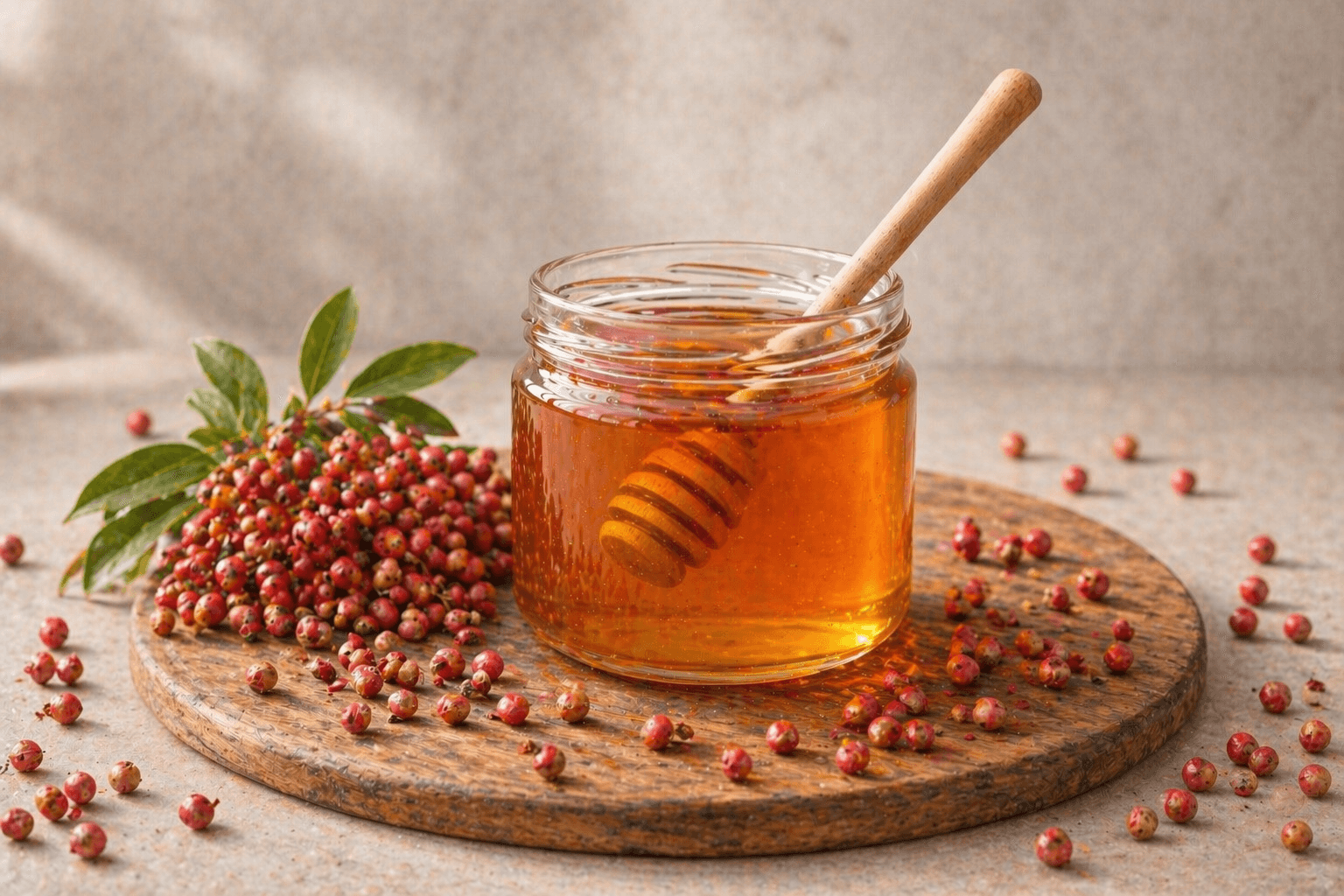
It's a honey that surprises from the very first spoonful. Neither too sweet nor too strong — it sits somewhere between a floral honey and a gentle spice. Its colour is amber, sometimes golden depending on the harvest. Its texture is liquid and clear. And unlike many honeys, it does not crystallise — making it an excellent keeping honey, pleasant to use all year round.
4. The benefits
Pink peppercorn honey inherits many properties from the flowers of the pink peppercorn tree, recognised for centuries in traditional medicine across South America and the Indian Ocean islands.
Pink peppercorn flowers are rich in phenolic compounds, flavonoids and tannins — powerful antioxidants that help neutralise free radicals and protect cells from oxidative stress. The plant is traditionally recognised for its anti-inflammatory, antibacterial, digestive and tonic properties.
In Creole tradition, this honey is valued for:
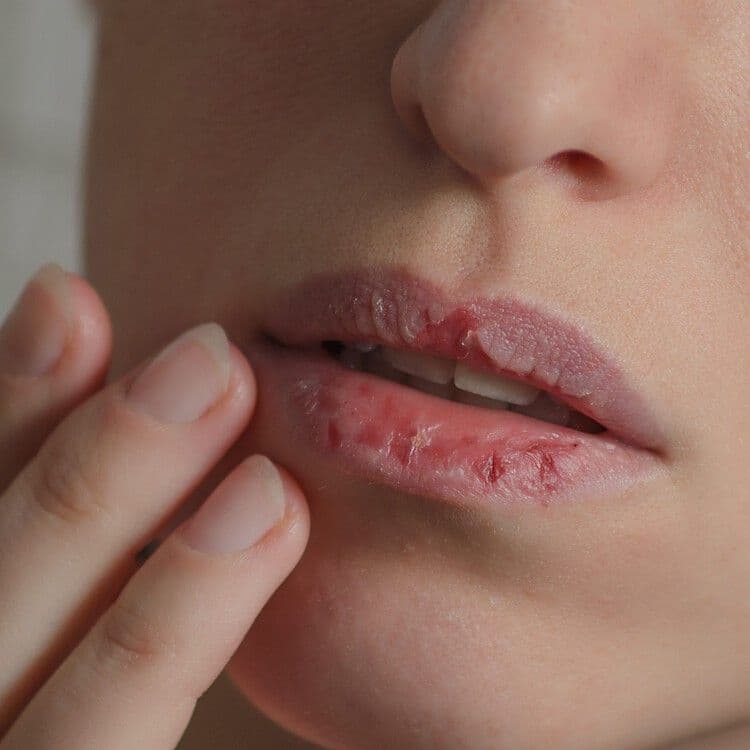
Throat comfort — a spoonful in a warm infusion soothes and relieves
Digestion — taken on an empty stomach in the morning, it gently stimulates the digestive system
Its general tonic action — as a natural daily stimulant, it helps restore energy
Our honey is cold-extracted and never pasteurised, preserving all of its natural enzymes and active properties.
Note: this information reflects traditional uses and does not constitute medical advice.
5. How to enjoy it
Always raw, to preserve its delicate aromas:
On sourdough bread with fresh goat's cheese
In a warm infusion — green tea, ginger, lemon
As a glaze for roast chicken or a lacquer for salmon
Never heat above 40°C.
6. Ruchers de l'Est pink peppercorn honey
Our pink peppercorn honey is harvested every April in Flacq, eastern Mauritius. It is:
100% raw — never heated, never pasteurised
Cold-extracted — to preserve all aromas and nutrients
Pesticide-free — our hives are managed naturally
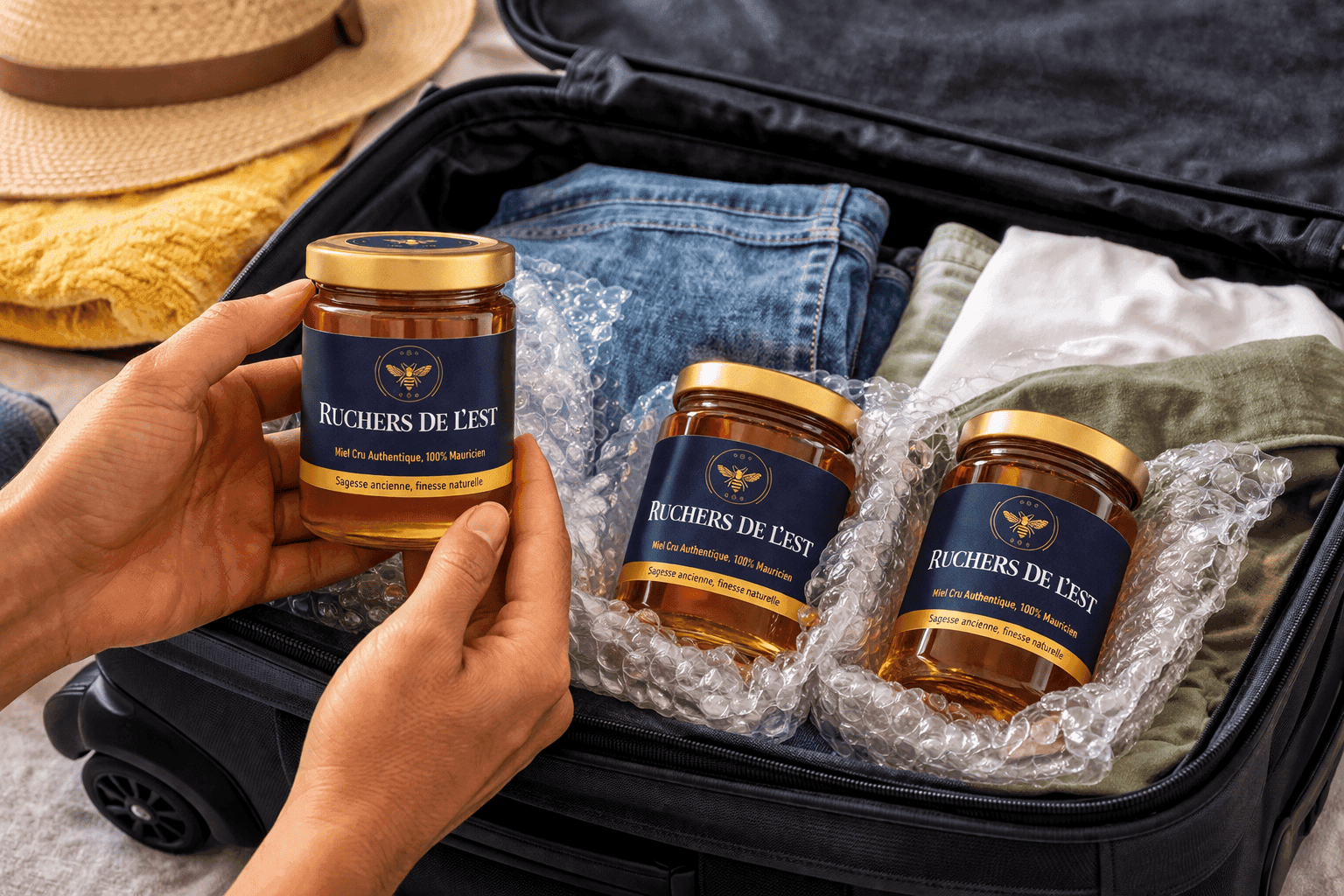
Available at miel.mu — shipping from Mauritius. Limited stock each harvest.